 Store Locator
 (+971) 6 5330 149
What Furniture Do You Need to Open a Restaurant in the UAE? The Complete Planning Guide
What types of chairs and tables are best for a casual dining restaurant in the UAE?
Opening a restaurant in the UAE — a boutique café in Dubai, a hotel dining room in Abu Dhabi, or a high-traffic bistro in Sharjah — takes more than a great menu. It takes a furniture plan that’s built for the region’s pace, climate, and guest expectations. Get it right, and your furniture becomes part of the brand experience and a long-term investment. Get it wrong, and you’re replacing chairs and table tops within the year.
As a commercial furniture consultant, I’ve put together this guide to walk new and expanding restaurant owners through the essentials — drawing on five decades of hospitality furniture experience at Najmi Furniture, serving the UAE and wider GCC since 1975.
- The Essential Restaurant Furniture Checklist
Every dining concept, regardless of size or style, needs a foundation of contract-grade furniture built to handle high daily turnover.
Must-have furniture:
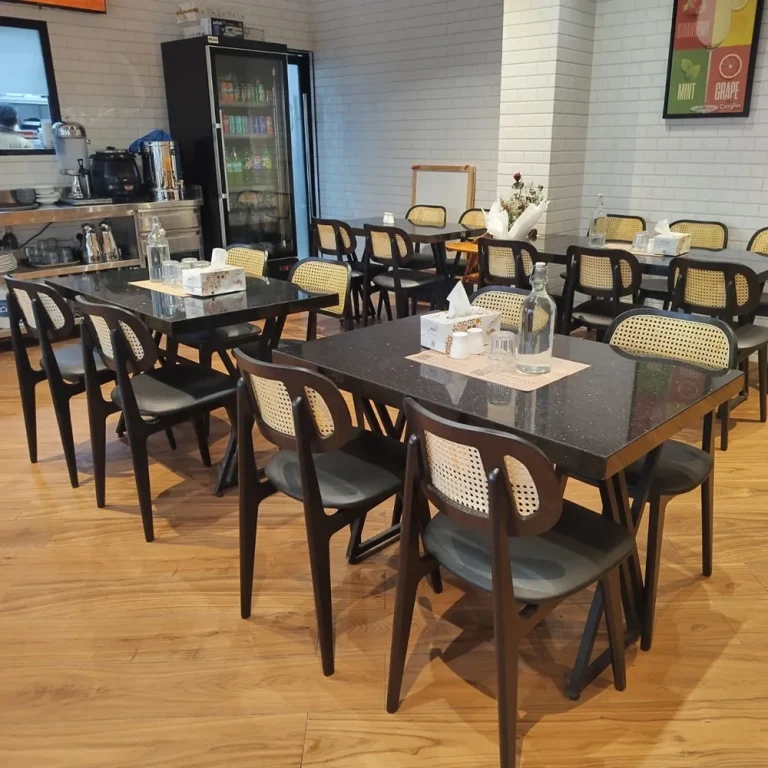
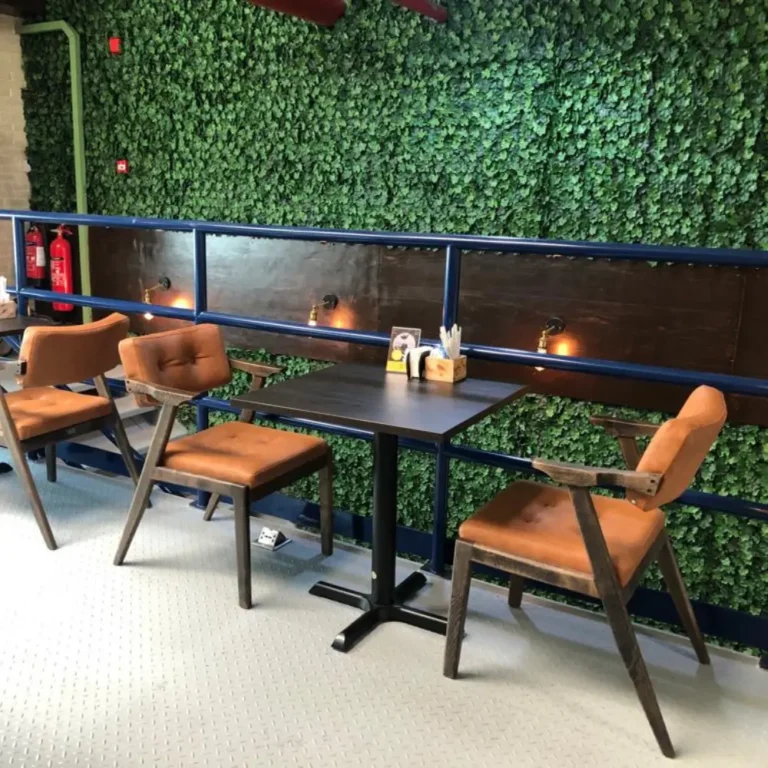
- Restaurant chairs — Look for genuinely contract-grade construction. A solid wood frame chair like the Dennis Chair holds up well under daily use, while a metal-framed option like the Charles Chair, upholstered in easy-clean faux leather, suits faster-paced venues.
- Dining tables — Pair a stable base with a resilient top. Heavy-duty cast iron bases, such as the Classic Standard, are the preferred choice across the UAE market for the stability they offer under constant use.
- Table tops — Surfaces like German-engineered Versatop or Durela Table Tops are worth the investment: heat-resistant up to 180°C, scratch-resistant, and stain-proof — exactly what a busy dining room demands. See our Versatop table top — submerged in water since November 2018, a real-world test of the scratch, heat, UV, weather, cigarette-burn, and stain resistance built into every Versatop surface.
Nice-to-have and optional furniture:
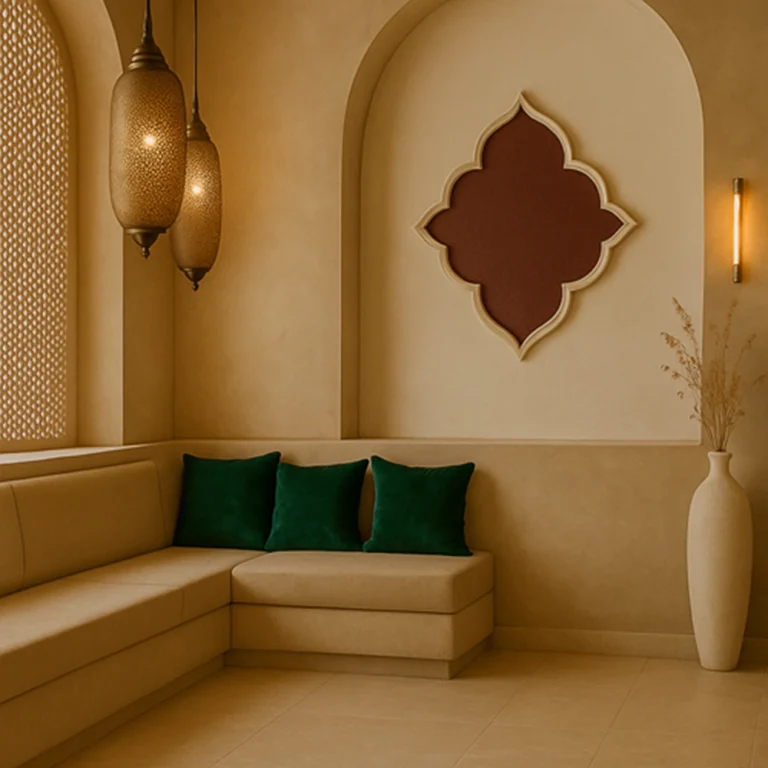
- Booth and banquette seating — Makes efficient use of floor space while giving guests a softer, more private seating option. German PVC upholstery allows for full customization.
- Bar stools — Needed for counter seating or elevated bistro tables; the Frost Cafe Bar Chair is a solid pick.
- Baby chairs — A must for family-oriented venues in the UAE. Sturdy wooden options like the Natural Wooden Baby Chair hold up better than lightweight plastic alternatives.
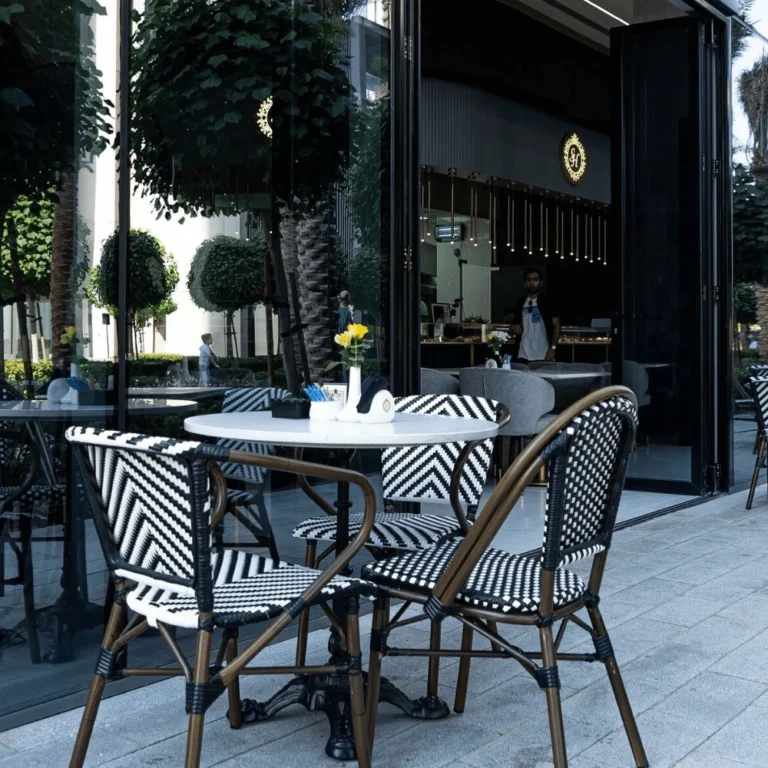
- Outdoor furniture — Weather-rated umbrellas (Cantilever or Amor styles) and durable wicker seating are essential for anyone running a seasonal terrace.
- Commercial vs. Residential Furniture: Why It Matters
One of the most common — and costly — mistakes new owners make is furnishing a restaurant with residential-grade pieces to save on upfront cost. Commercial furniture is engineered specifically for HoReCa (Hotel, Restaurant, Café) use, and the difference shows up fast:
- Durability — Commercial pieces like the Iris or Petra chairs are built for the intensive, high-turnover demands of hospitality seating. Residential furniture simply isn’t designed for that level of daily wear and typically fails within months in a working restaurant.
- Maintenance — Hospitality-grade upholstery, like faux leather, wipes down in seconds. High-pressure laminate table tops resist cigarette burns and stains that would ruin a residential finish.
Read our blog related to Why “Home Furniture” Fails in Restaurants for details.
- Furniture Planning by Venue Type
Your furniture strategy should match your venue’s size, concept, and pace of service.
- Small café — Prioritize compact, space-efficient seating. The Charles Chair’s curved silhouette is designed to save floor space without sacrificing a polished look.
- Medium to large restaurant — Mix standard dining chairs with soft-seating armchairs like the Joanna or William chair to create distinct, more intimate zones within the same room.
- Food court — Durability and easy cleaning come first. Polypropylene chairs or heavy-duty metal-framed seating is the practical choice here.
- Hotel restaurant — Invest in premium aesthetics. The Aizal Luxury Dining Chair or a mid-century-inspired piece like the Petra Chair suits upscale interiors.
- Fast food — Stability and low maintenance matter most. Sturdy table legs, like the Julia Black Square Leg, hold up to rapid table turns.
- Layout Advice: Spacing and Flow
A poor floor plan undermines the dining experience just as much as the wrong furniture does.
- Table spacing — Leave enough room for chair clearance so guests aren’t bumping into neighboring tables. Standard comfortable seat heights run around 44–46 cm.
- Aisle spacing and server movement — Keep clear paths for staff, especially during peak service.
- Accessibility — Plan for wheelchair access as standard practice. Pedestal table bases, like the Bell or Julia Round bases, offer more legroom and easier access than traditional four-legged tables.
- Emergency exits — Furniture placement should never compromise clearly marked exit routes.
- The Modern “Smart” Dining Experience
In tech-forward markets like Dubai and Abu Dhabi, small accessory choices can set a venue apart. Wireless charging tables — such as the IPAN system — let guests charge devices right at their seat, a small touch that tends to increase both satisfaction and dwell time.
- Common Buying Mistakes to Avoid
- Ignoring outdoor weather demands — UAE heat and UV exposure are intense. Confirm that outdoor furniture and umbrellas are specifically weather-rated before buying.
- Mismatched table heights — Table bases need to match chair seat heights, or ergonomic comfort suffers across the room.
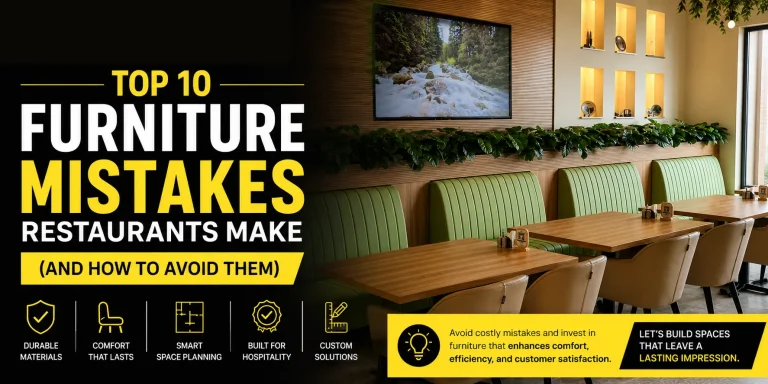
- Buying without measuring — Map your floor plan before you order anything, to avoid an overcrowded space.
- Cheap table bases — A wobbly table is one of the most common guest complaints. Stick to heavy-duty cast iron or powder-coated steel.
- Budget Planning: Where to Invest
- Budget tier — Standard durable chairs paired with laminate tops.
- Mid-range tier — Custom booths combined with contract wooden chairs like the Dennis Chair.
- Premium/luxury tier — High-end upholstery (the Joanna Armchair, for example) and specialized finishes like Marble Carrara table tops.
ROI tip: Spending more upfront on quality table tops — Versatop in particular — pays off over time, since you avoid the recurring cost of replacing surfaces damaged by burns, scratches, or moisture.
Quick Answers: Restaurant Furniture FAQ
What furniture does every restaurant need? Commercial-grade chairs, stable table bases, and durable table tops are the non-negotiables for any restaurant.
How many tables should a restaurant have? That depends on your square footage and layout — the goal is balancing maximum seating capacity with guest comfort and smooth server flow.
What chairs are best for restaurants? Ergonomic, easy-to-clean options like the Dennis (wood) or Charles (metal and faux leather) hold up best under high-traffic use.
What table tops last the longest? German-engineered surfaces like Versatop lead the pack, thanks to their resistance to heat, moisture, and scratching.
What furniture works best for cafés? Space-efficient, contemporary pieces — the Frost Cafe Chair or Iris Wooden Chair are both strong choices.
Which materials hold up best in UAE weather? Powder-coated steel, high-pressure laminates (HPL), and UV-resistant materials — the same ones used in premium umbrellas and wicker furniture — are built for the region’s climate.
Final Thought
Getting your furniture right from day one is one of the highest-leverage decisions you’ll make as a restaurant owner. Choose commercial-grade pieces that match both your concept’s aesthetic and the UAE’s environmental demands, and you’ll spend far less time and money on replacements down the line.
Explore the full Najmi Furniture collection — restaurant chairs, tables, table tops, booths, and outdoor furniture — for projects across Dubai, Abu Dhabi, Sharjah, and the wider UAE.