 Store Locator
 (+971) 6 5330 149
Top Furniture Mistakes Restaurants Make When Furnishing Their Space
Top 10 Furniture Mistakes Restaurants Make (And How to Avoid Them)
A restaurant’s furniture is more than just tables and chairs—it directly affects customer comfort, operational efficiency, brand image, and long-term profitability. While food and service remain the heart of any restaurant, poor furniture choices can negatively impact the dining experience and lead to unnecessary expenses.
Here are some of the most common furniture mistakes restaurants owner make and how to avoid them.
1. Prioritizing Appearance Over Durability
Many restaurant owners choose furniture based solely on aesthetics. While stylish furniture helps create an attractive atmosphere, it must also withstand daily commercial use.
Restaurant chairs, tables, and booths experience constant wear and tear from customers, cleaning routines, and frequent movement. Residential-grade furniture may look appealing initially but often fails quickly in commercial environments.
Solution: Invest in commercial-grade furniture designed specifically for high-traffic hospitality spaces.
2. Choosing the Wrong Seating Comfort Level
Uncomfortable seating can shorten customer visits and negatively affect the overall dining experience. Chairs that are too hard, too low, or poorly designed may discourage repeat visits.
Comfort is especially important for cafés, family restaurants, and fine dining establishments where guests are expected to spend more time.
Solution: Test seating options before purchasing and balance comfort with durability and maintenance requirements.
3. Ignoring Space Planning
One of the biggest mistakes is overcrowding the dining area with too many tables and chairs. While maximizing seating capacity may seem profitable, it can create an uncomfortable environment and make movement difficult for customers and staff.
Poor spacing can also affect emergency access and overall operational efficiency.
Solution: Develop a detailed floor plan that allows comfortable circulation while maintaining optimal seating capacity.
4. Selecting Inappropriate Table Sizes
Tables that are too small can make dining uncomfortable, while oversized tables waste valuable floor space.
Different restaurant concepts require different table configurations. A café may benefit from smaller tables, while family restaurants often need larger dining surfaces.
Solution: Match table sizes to your menu, customer demographics, and average party size.
5. Overlooking Material Selection
Not all furniture materials perform equally in restaurant environments. Some surfaces are highly susceptible to scratches, stains, moisture damage, or heat marks.
Choosing the wrong materials can significantly increase maintenance costs and shorten furniture lifespan.
Solution: Use durable commercial materials such as compact laminate table tops, high-quality upholstery, powder-coated metal frames, and commercial-grade finishes.
6. Neglecting Brand Identity
Furniture should support and strengthen your restaurant’s brand image. A mismatch between furniture style and restaurant concept can confuse customers and weaken the overall experience.
For example, modern furniture may not suit a traditional restaurant theme, while rustic furniture may look out of place in a contemporary café.
Solution: Select furniture that complements your interior design, brand personality, and target audience.
7. Failing to Consider Maintenance Requirements
Furniture that is difficult to clean can increase labor costs and create hygiene challenges.
Restaurants require furniture that can withstand frequent cleaning and maintain its appearance over time.
Solution: Choose stain-resistant fabrics, easy-to-clean surfaces, and durable finishes designed for commercial hospitality environments.
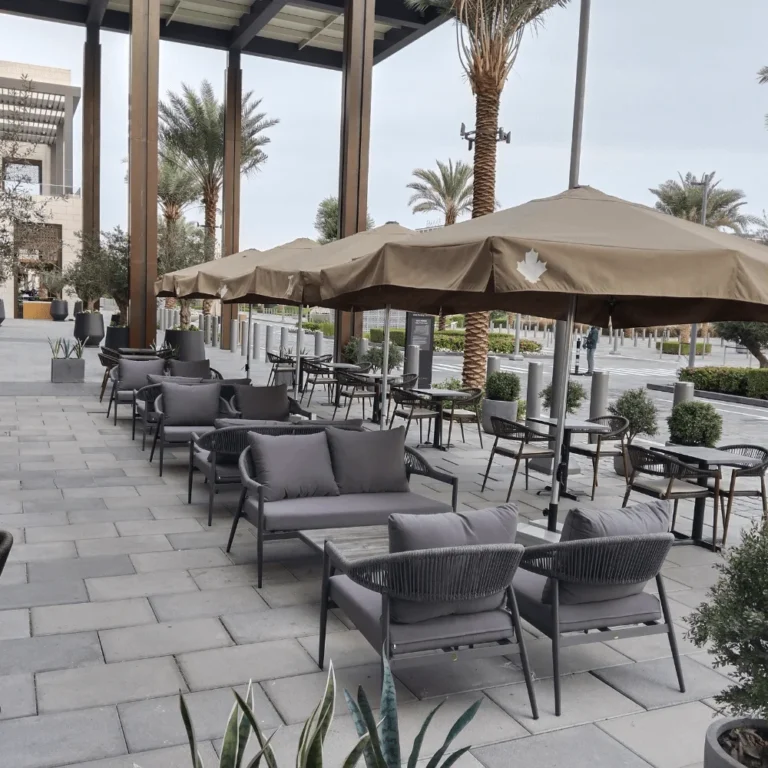
8. Ignoring Outdoor Furniture Requirements
Restaurants with outdoor seating often use furniture intended for indoor use. Exposure to sunlight, humidity, and weather conditions can quickly damage unsuitable furniture.
Solution: Use weather-resistant outdoor furniture specifically manufactured for hospitality applications.
9. Buying Solely Based on Price
Low-cost furniture may reduce initial investment but often results in higher replacement and maintenance costs. Frequent repairs, replacements, and customer complaints can quickly outweigh any short-term savings.
Solution: Focus on long-term value rather than initial purchase price.
10. Not Working with an Experienced Commercial Furniture Manufacturer
Many restaurant owners underestimate the importance of professional furniture consultation. Experienced manufacturers understand hospitality requirements, space planning, material performance, and custom solutions.
Solution: Partner with a trusted commercial furniture manufacturer that can provide customized solutions tailored to your restaurant’s needs.
Final Thoughts
Restaurant furniture is a long-term investment that influences customer satisfaction, operational efficiency, and brand perception. Avoiding these common mistakes can help restaurant owners create comfortable, functional, and visually appealing dining environments while reducing maintenance and replacement costs.
At Najmi Furniture, we specialize in custom commercial furniture solutions for restaurants, cafés, hotels, and hospitality projects across the UAE. From durable restaurant seating and custom booths to premium table tops and complete furniture installations, we help businesses create spaces designed for both performance and style.