 Store Locator
 (+971) 6 5330 149
10 Signs Your Restaurant Is Dirty (Customers Notice Immediately)
Restaurant owners often think cleanliness means kitchen compliance.
Customers judge something else entirely: visible signals.
Before they taste your food…
Before they read reviews…
Before they sit comfortably…
They subconsciously decide:
“Is this place safe?”
If the answer feels uncertain — they won’t return.
Below are the most common warning signs that silently reduce trust, ratings, and revenue.
1) The Toilet Tells the Truth
Guests believe the restroom reflects the kitchen.
A spotless dining area cannot compensate for:
- Wet floors
- Broken locks
- Bad smell
- Water stains
- Dust behind the door
Business impact:
Customers assume poor hygiene standards → they avoid ordering high-margin items (desserts, beverages, specials).
2) Sticky Menus
One of the strongest negative triggers.
Customers touching a sticky menu instantly think:
“If this isn’t clean… what about the kitchen?”
Even laminated menus collect:
- oil film
- sugar residue
- fingerprints
- sanitizer streaks
Fix: wipe menus after every table reset or switch to easy-clean surfaces.
3) Staff Uniform Condition
People trust uniforms more than certifications.
Customers notice:
- wrinkled aprons
- stained shirts
- dark collars
- worn footwear
Result: lower perceived food quality — even if the food is excellent.
Clean uniforms increase tipping and order value.
4) The Entrance Floor (The First Judgment Zone)
The decision to enter happens in 3 seconds.
Dust, sand, or grease near the entrance communicates:
“Maintenance is inconsistent.”
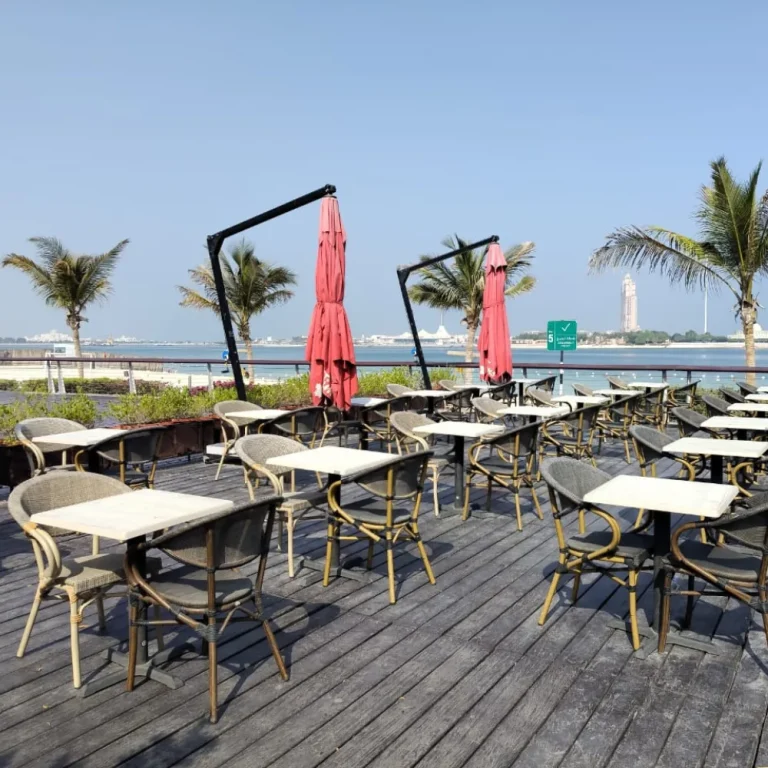
Outdoor seating areas in UAE/GCC collect sand quickly — ignoring it directly affects walk-ins.
5) Table Edges & Chair Backs
Cleaning teams wipe surfaces — but customers touch edges.
They run hands across:
- table edges
- chair backs
- under-table corners
If greasy → immediate discomfort.
This is one of the top reasons families avoid returning.
6) Dirty Chair Cushions
Fabric seating absorbs:
- sweat
- spilled drinks
- humidity
- cooking odors
Visible dark patches = hygiene doubt.
Operational cost mistake:
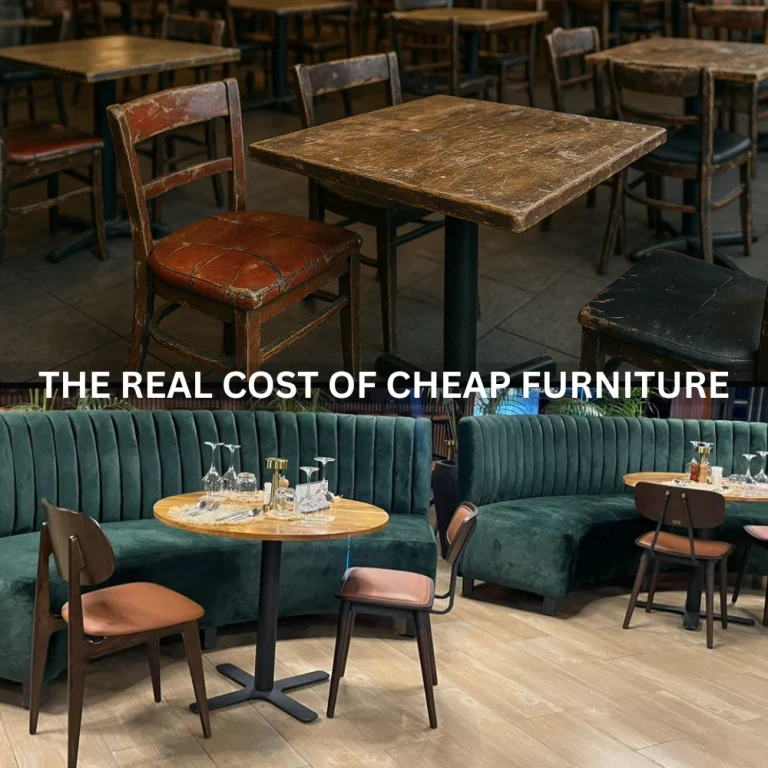
Replacing cheap upholstery frequently costs more than using commercial-grade materials that resist staining.
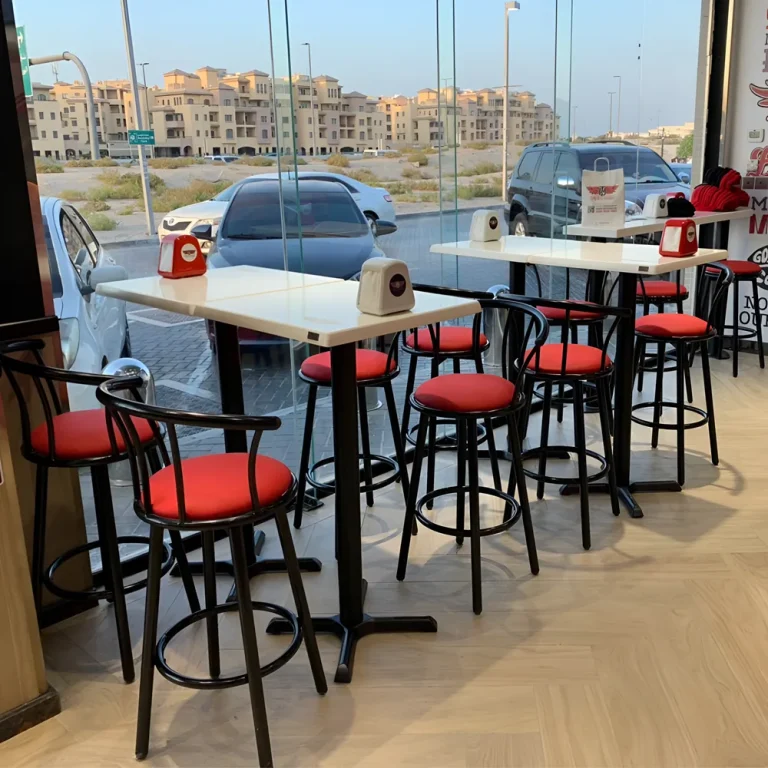
7) Fingerprints on Glass
Glass surfaces amplify neglect.
Customers notice:
- door handles
- partitions
- display counters
- windows in sunlight
Even a clean restaurant feels dirty with visible prints.
8) The Smell
The most powerful memory trigger.
Bad restaurant smells come from:
- wet mops
- old upholstery
- poor ventilation
- grease buildup
Smell affects appetite — and ticket size drops.
9) Condiment Bottles
Customers inspect them while waiting.
They immediately see:
- crusted ketchup caps
- sticky salt shakers
- clogged pepper holes
- oil drips
This silently destroys trust in food safety.
10) Menu Corners & Bill Folders
Highly overlooked but highly visible.
Frayed edges and stains signal:
“This place doesn’t refresh its tools.”
Guests connect physical wear with operational neglect.
Why This Matters for Profitability
Customers don’t complain — they simply don’t return.
Dirty signals cause:
- lower repeat visits
- fewer online recommendations
- smaller order sizes
- reduced brand value
- negative word of mouth
Cleanliness is not a cleaning issue.
It is a revenue system.
The Furniture Connection (Where Most Problems Start)
Many hygiene issues come from unsuitable furniture materials:
Cheap surfaces:
- absorb stains
- trap odors
- chip at edges
- hold grease
- require constant replacement
Commercial hospitality furniture is designed to:
- resist stains
- allow fast wiping
- avoid bacteria retention
- maintain appearance under heavy use
Final Thought
Customers don’t judge restaurants by effort — they judge by evidence.
If your restaurant looks clean, it feels safe.
If it feels safe, guests stay longer.
If they stay longer, they spend more.
Cleanliness is marketing you don’t have to advertise.